EN
EN
 CN
CN EN
EN AR
AR BG
BG HR
HR CS
CS DA
DA NL
NL FI
FI FR
FR DE
DE EL
EL HI
HI IT
IT JA
JA KO
KO NO
NO PL
PL PT
PT RO
RO RU
RU ES
ES SV
SV IW
IW ID
ID LV
LV LT
LT SR
SR SK
SK SL
SL UK
UK VI
VI ET
ET HU
HU TH
TH TR
TR FA
FA MS
MS BE
BE HY
HY AZ
AZ EU
EU KA
KA MN
MN MY
MY KK
KK TG
TG

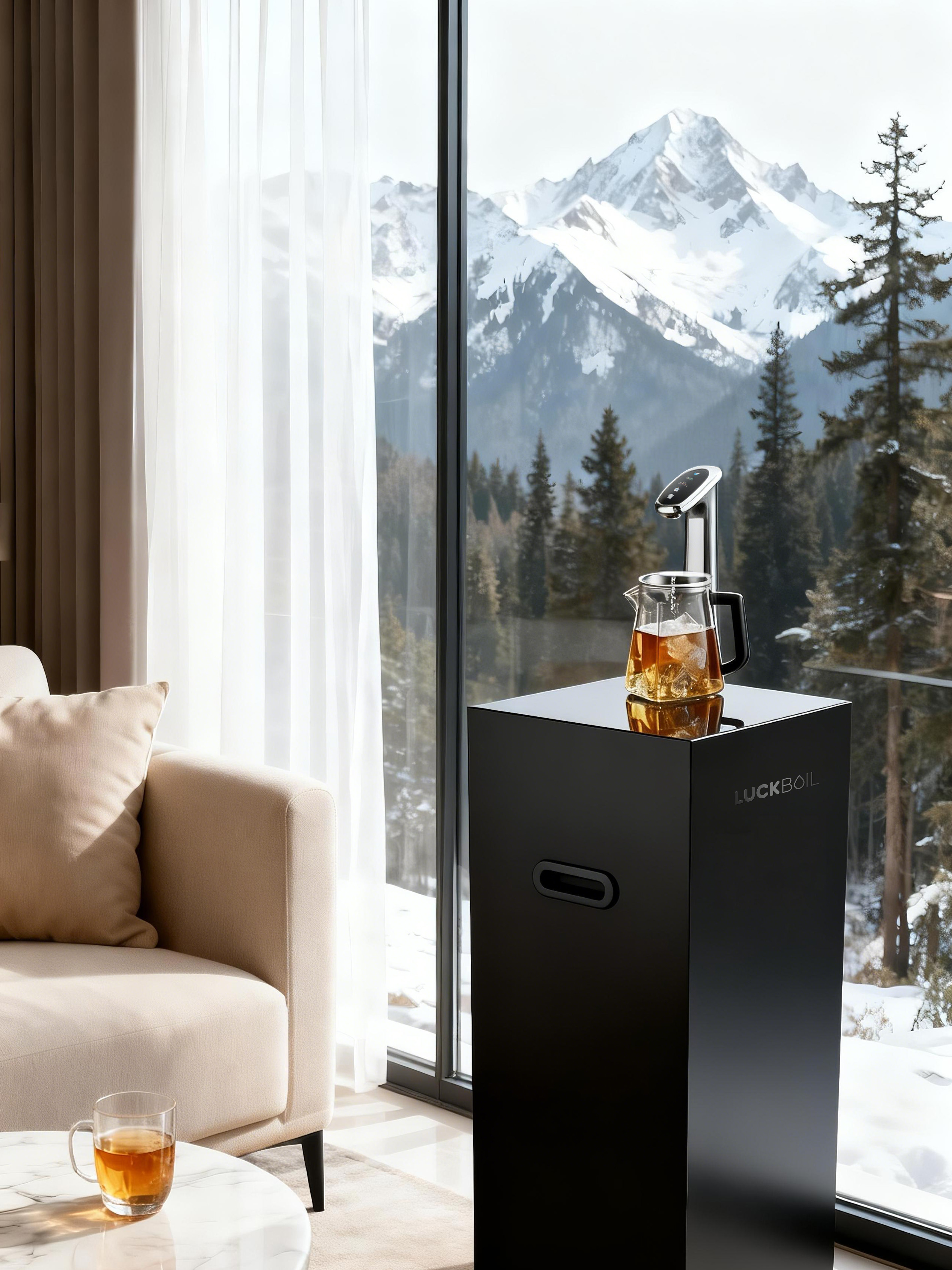
As you enter a modern kitchen, you may be surprised to see that there are not so many old-fashioned kettles; instead, there are smooth taps that assure you of hot water on-demand. Over the years, boiling water took hours of waiting, checking the kettle, and occasionally leaving it on the cooker. Nowadays, instant hot water is transforming that habit. They provide you with almost boiling water with the press of a button and save money and energy in such daily chores as making tea, preparing pasta, or creating baby food. These systems are becoming convenient to families, busy professionals and even small cafes where they reduce waiting time and keep their kitchens running smoothly without the additional hustle and bustle of a kettle.
The Mechanism Behind the Instant Hot Water Faucet: How It Works.
Instant hot water faucets may be a little bit magic but the mechanism behind it is rather simple when you break it down. It consists of a small yet mighty tank which is usually concealed beneath the sink. This tank maintains water at a certain temperature and is constantly ready to move at all times, generally between 90–98°C, a little short of boiling. This tank maintains a continuous supply of hot water to eliminate the need to wait unlike a kettle that will boil cold water every time. When you switch on the faucet, the valve opens and at once the hot water runs out of it. Most of the systems have sensors that control the temperature and ensure that the water is not heated excessively so that it does not become too hot to be used in the kitchen every day. There are some models in which the small heating coil is actually embedded into the Instant Hot/Cold Faucet , the water is heated on demand instead of being stored in a tank. This layout is particularly handy in smaller households or offices, in which space is an issue. The plumbing also has a drainage that keeps the two waters apart, that is, cold and the hot water hence you do not get a mixture of the two water unless you want it. A filter is installed in most systems to eliminate the impurities and this leaves the water clean and fresh to taste. The energy consumption is also remarkably low since the tank has good insulation and heating a little water at a time does not consume much energy as compared to boiling a kettle of water every time. In practical application, they are useful to tea drinkers who are in a hurry to use hot water or a parent who is making formulas or anyone who is boiling water to use in preparing dishes that start with hot water. As time goes on, they also lessen chances of over boiling or wasting water, as you will have perfect amounts of what you require. It is better to understand the system operation before being more confident about using it in your everyday life and enjoying the thoughtful simplicity it offers to the contemporary kitchens.
Top 5 Design Benefits of Installing a Boiling Water Tap in Minimalist Kitchens.
Minimalist kitchens emphasize simplicity, straight lines and visual reduction. The counter items are selected with care and those that are not necessary usually taken off. It is one of the reasons why many homeowners are moving towards boiling water taps, rather than using traditional kettles. Boiling water tap provides hot water directly out of the sink thus eliminating additional appliances on the counter. It also contributes to the clean and orderly appearance that minimalist kitchens strive to promote besides mere convenience. These are five design advantages of boiling water taps making them an intelligent choice in contemporary minimalistic settings.
A Cleaner, Clutter-Free Countertop
- Minimalist kitchens are best maintained with open and clean countertops. A kettle, its base and the power cord can be used to easily ruin the seamless appearance of a plain kitchen design. With a boiling water tap installed, you get another appliance off the Countertop Combo . This is immediately noticed by many homeowners. After the kettle is removed, the counter is bigger and simpler to clean. The process of wiping the surface after cooking is also made faster since there is less to be moved.
A More Seamless Kitchen Layout
- Minimalist design tends to have smooth continuous surfaces. Water boiling taps assist in supporting that thought. The system is integrated into the sink area, which makes the primary workspace open and does not have any complexity. This can be a difference in smaller kitchens. An example is a small apartment kitchen which might only have a short length of a counter. Eliminating a kettle will result in freeing up space to prepare food or serve meals.
A Sleek and Modern Visual Style
- Boiling water taps are usually simple and clean lines that are compatible with contemporary kitchen fixtures. Minimal interiors go well with finishes such as brushed stainless steel, matte black or polished chrome. There is no clatter between a range of small appliances, but the tap is incorporated into the overall design of the kitchen. It appears to be a deliberate element as opposed to an afterthought.
Better Use of Small Kitchen Spaces
- Minimalist kitchens are known to be constructed in apartments, condos, or tight-fit houses that have space constraints. Every inch of the counter counts in such a circumstance. You also save space that would have existed in a kettle because of the boiling water tap. The additional area can be occupied by a cutting board, coffee machine, or just left open in order to make the kitchen look relaxed and spacious.
A Kitchen That Feels More Organized
- The less appliances on the counter, the more the kitchen will appear to be organized. The space can be calm and contained even at the hectic cooking times. As an example, imagine that you are making pasta and you are also making tea. Having a boiling water tap, you can fill in the pot or cup immediately without letting a kettle boil or having to find space on the counter to place the kettle. Small details tend to make a large visual difference in minimalist kitchens. Having a boiling water tap in the home does not only simplify any daily routine but it also contributes towards the clean and balanced look that most people are seeking in the home today.
Energy Efficiency: Comparing Under-sink Hot Water Taps vs. Traditional Kettles.
Using energy is among the primary factors that make people compare under-sink taps of hot water with the traditional kettles. These two appliances are water heaters and they function differently. Every time you turn on your kettle it heats a full batch of water. The under-sink system uses a small insulated tank to store the hot water and thereby have it available to use. Due to this difference, the manner in which energy is consumed during the day may significantly differ. Knowing the functioning of each system aids the homeowner in making a decision on the best system to suit their kitchen routines and energy objectives.
How Traditional Kettles Use Energy?
Electric kettles boil water within a short time with a strong heating coil. Most of them consume approximately 2-3 kilowatts of power during boiling. It is a high level of power, which the kettle typically consumes within several minutes. The greater problem is associated with daily habits. Most individuals put more water than is required in the kettle. Research indicates that approximately 67% of users fill their kettle to an over capacity, therefore, wasting additional water. To take an example, one might boil just one cup of tea but have more than three cups of water. The untapped water cools and is commonly refreezed again. Such boiling consumes more electricity with time. A kettle can still be effective when well utilized. When an individual measures the specific volume of water every time, the energy loss takes up a lot less.
How Under-Sink Hot Water Taps Use Energy?
Hot water taps that are under-sink are different. The system maintains a small tank of hot water under the sink instead of boiling water each time required. The tank is insulated to ensure that it does not emanate heat easily. The amount of electricity consumed by most of the systems to maintain the water temperature after heating it is approximately 10 watts. Since the water is already hot there is no necessity of boiling a full kettle every now and then throughout the day. You just give out the required volume. This method will not heat unutilized water and it has the potential to save on electricity wasted. There are some estimates that use boiling water taps may consume half the energy used by traditional kettles, largely due to the fact that they do not need to boil repeatedly and are only needed to boil the necessary amount of water.
Which One Is More Efficient in Daily Life?
It usually is based on how many times you need hot water. A less energy-consuming system, overall, may be the one that is installed in a busy household where people make tea, coffee or instant meals several times a day. It already has warm water, and you do not have to boil the kettle over and over. A kettle may still be the less complicated choice in a house where hot water is consumed only one or two times a day. It consumes only electricity to the short boiling period. In practice, daily habits define energy efficiency. The best moves that can be made in the use of water in the kitchen are to measure the correct amount of water to use, not boil again and again, and to select the system that fits into your daily routine.
Child Safety Features in LUCKBOIL's 3-in-1 Instant Hot Water Faucet.
Safety is one of the most important considerations when one is putting up an instant hot water faucet in a family kitchen. Boiling water may be heated to nearly 100°C, therefore, modern systems need to incorporate safety aspects that minimize the chances of burns, especially where children are involved. The 3-in-1 instant hot water faucet LUCKBOIL has a number of built-in precautions to overcome this issue, including accidental operating protection and the ability to regulate the provision of hot water. All these are designed to ensure that they provide safer kitchen space and at the same time enable one to access hot water quickly to perform daily chores.
Child Safety Lock to Prevent Accidental Use
The child safety lock is one of the most important features. On LUCKBOIL systems dispensing of very hot water takes a special action like pressing and holding the control a little time and then the water flows. This additional measure helps to avoid the possibilities of young children boiling water by pressing the faucet. As an example, when a child opens the sink handle just like he or she would open the handle of a normal faucet, the hot water option will not be triggered. The feature, however, can be unlocked very easily by a simple press of the button by adults. Such simple design minimises the possibility of accidental burns during normal kitchen operations.
Multiple System Protections for Safer Operation
LUCKboil is also designed with a set of protective mechanisms incorporated within the heating system. They are leak protection, electric safety protection and anti-dry-burn protection. Protection of anti-dry-burn is especially significant. In case the system picks up that no water is passing through the heater, then it will automatically cease to heat. This helps in ensuring that the heating element does not overheat and fails. There is also leak protection to shut the system in the event that leakage of water is noticed; this gives an extra measure of house safety.
Steam and Splash Control at the Water Outlet
The other considerate design is the vapor-separation outlet structure. This design regulates how the hot water comes out of the faucet whereby steam and splashing would be minimized. In everyday practice, this involves the use of hot water in a consistent, regulated flow instead of having to spurt out in excess steam. The smoother flow makes the cup or bowl filling less prone to accidental splashes which may be a source of burns.
Temperature Control and Intelligent Monitoring
LUCKBOIL faucets also have smart temperature control systems that maintain the stability of water heating. Monitoring the heating process is performed by the system and controlled level of temperature is maintained rather than uncontrolled overheating. Such monitoring assists in the safety of running the faucet during long durations of use. The system can automatically stop heating in case the temperature level falls outside the safe range.
A Safer Alternative in Family Kitchens
Kettles are some of the most likely causes of hot water accidents in numerous households. When carrying a kettle, one can knock it over, drag it off the counter, or spill it. Instant hot water faucets decrease such risks due to the fact that the hot water is released at the sink. Child-locked mechanisms and controlled flow of water contribute to availing a safer living environment to the child-ridden households. These safety elements are as important as convenience in designing a modern kitchen by any family. An effective system is not just one that gives hot water within a short time, but also one that assists in safeguarding the persons who use the kitchen on a daily basis.
Fitting an Electronic Hot Water Faucet in Granite Countertops.
The modern kitchen design uses granite countertops as they appear clean, strong, and durable. A large number of homeowners who remodel their sink area will also opt to install at the same time an electronic hot water faucet. This concept might not make much sense initially, particularly because granite is a hard substance. The installation is simple and can be accomplished without destroying the counter top with the appropriate tools and proper measures. Being aware of the process in advance prevents the mistakes that people usually make and makes the process of the project a lot more comfortable.
Check the Available Mounting Hole
The initial step before installing the faucet is to determine whether the granite countertop already has an additional mounting hole. A lot of kitchen sinks have an additional small hole which is capped with metal. Provided such an opening is available, the electronic hot water faucet can frequently be installed in such an opening without any additional trouble. In the event that there is no additional hole, one will have to be drilled into the granite. A step-diamond tipped hole saw is needed in this step that cuts on a stone surface. Granite is quite dense such that normal drill bits will not be effective.
Drilling a Hole in Granite Safely
Slow and steady work is significant when drilling into granite. Note the precise point of the location of the faucet. To avoid slipping of the drill in the initial few seconds, it is a good idea to place masking tape on the spot. Insert a drill that has a hole saw of a diamond and apply light pressure. Excessive speed in drilling may crack the rock. It also facilitates the cooling of the area where the drilling is to take place by pouring a little water during the drilling process. This lowers temperature and saves the tool, as well as the countertop. After the hole is done, remove all the dust and ensure that the sides are smooth before fitting the faucet.
Installing the Faucet Body
The faucet body can be installed through the hole through the top of the counter top. The majority of electronic hot water faucets have a mounting plate, rubber gasket and locking nut. The faucet is mounted on the granite with a gasket in between the base and the surface. This seal serves to stop any water leaking on the faucet. You have to screw the mounting nut below the sink in order to fix the faucet in one place. Before screwing the faucet completely, make sure it is in the right direction.
Connecting the Water and Power System
Electronic hot water faucets are typically fed off an under sink small sized heating tank or instant heating unit. The installation consists of three principal connections, namely the cold water supply, the outlet line of hot water and the electrical power connection. Install the water lines carefully as per the instructions of the manufacturer. After the plumbing is done, the heating unit is then plugged in or connected to the power. Prior to normal usage, flush water through the system for a few minutes. This is done to eliminate air in the lines and ensure that no leaks are present.
Final Checks Before Daily Use
Connect everything, and test the faucet controls and the hot water functionality. Ensure that the faucet is firm on the counter top and that the flow of water is smooth. The granite counter tops are so tough that they do not have any trouble supporting the electronic hot water faucets as long as they are installed properly. The faucet is a clean and useful item added to the kitchen sink space with proper drilling and safe mounting.
Table of Contents
- The Mechanism Behind the Instant Hot Water Faucet: How It Works.
- Top 5 Design Benefits of Installing a Boiling Water Tap in Minimalist Kitchens.
- Energy Efficiency: Comparing Under-sink Hot Water Taps vs. Traditional Kettles.
- Child Safety Features in LUCKBOIL's 3-in-1 Instant Hot Water Faucet.
- Fitting an Electronic Hot Water Faucet in Granite Countertops.

In the future, Luckboil Electrical Appliance will continue to uphold the business philosophy of "technological innovation, quality first", committed to providing healthier and more convenient living solutions for global consumers, and strive to become a leader in the water purifier & water dispenser fields.