EN
EN
 CN
CN EN
EN AR
AR BG
BG HR
HR CS
CS DA
DA NL
NL FI
FI FR
FR DE
DE EL
EL HI
HI IT
IT JA
JA KO
KO NO
NO PL
PL PT
PT RO
RO RU
RU ES
ES SV
SV IW
IW ID
ID LV
LV LT
LT SR
SR SK
SK SL
SL UK
UK VI
VI ET
ET HU
HU TH
TH TR
TR FA
FA MS
MS BE
BE HY
HY AZ
AZ EU
EU KA
KA MN
MN MY
MY KK
KK TG
TG

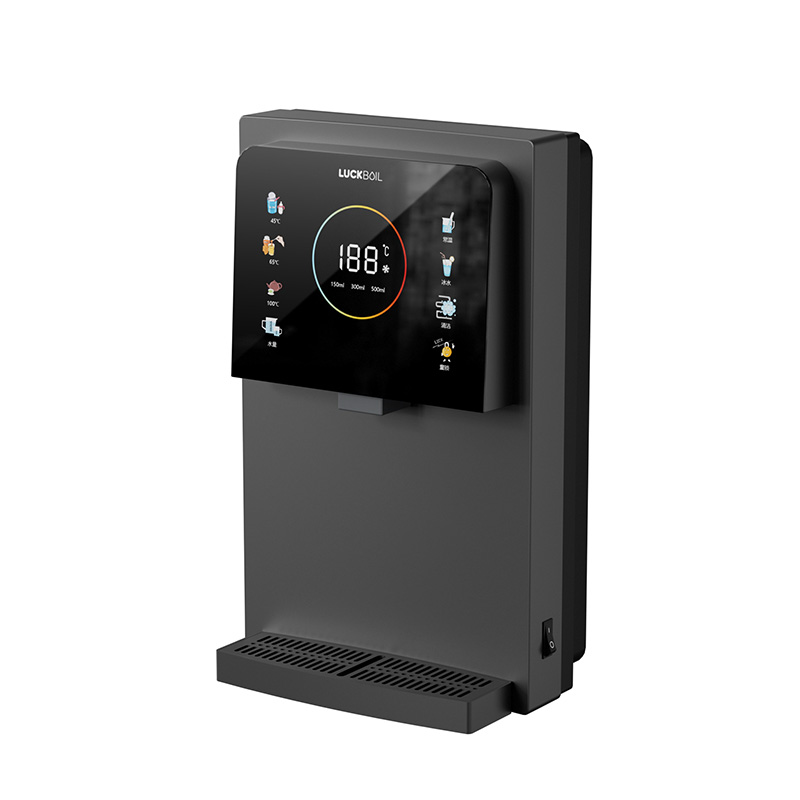
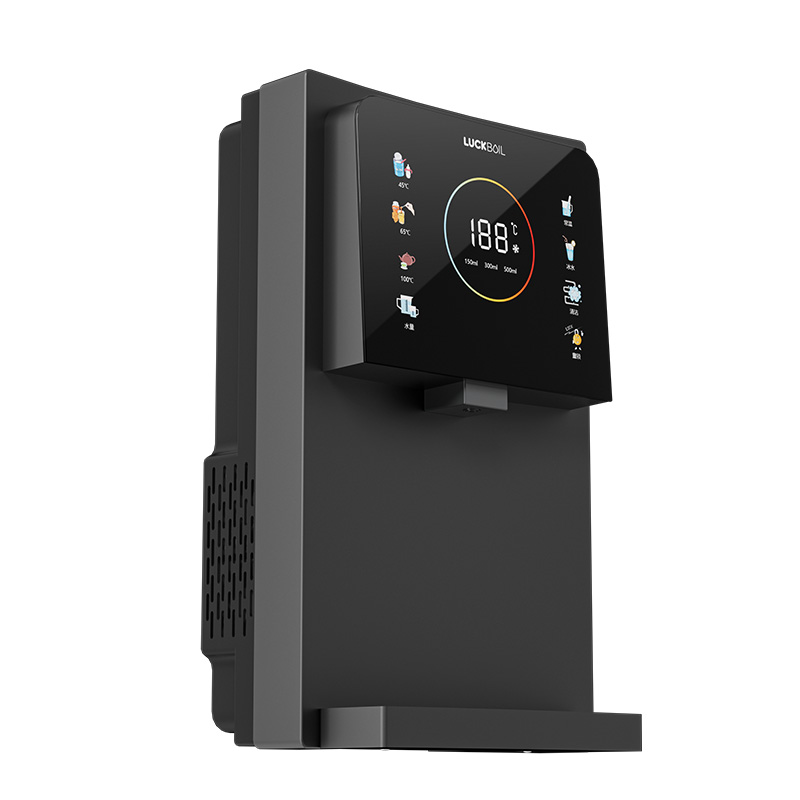
Wall mounted water dispensers are becoming common fixtures that are found in residential homes, small businesses, and community areas. Since they do not take up any floor space they are great because you can have easy access to hot and cold water and sometimes hydrogen rich water all from one unit. You might be thinking about buying one for yourself but it is helpful to understand what each function means so you can apply them to your daily life. Hot water allows you to make tea or instant noodles faster, cold water is great to have if you live in a hot country, and hydrogen infused water is used often by people looking for an alternative drink. Follow this guide as we walk you through some things to look at, pros and cons to help you decide what you need for your daily life.
Wall‑mounted vs. countertop vs. under‑sink – which is best for small spaces?
Space is a large consideration when choosing between wall-mounted, counter-top and under-sink Water Dispensers and it literally depends on how your kitchen is laid out and how you utilize water throughout your day. Wall-Mounted units take up the least amount of space. They do not sit on the counter allowing you to keep your kitchen space open to prepare food. This is ideal for extremely small apartments or spaces that are shared where every inch of counter matters. The compromise is you need to install it to a sturdy wall and once it is installed there it will most likely not come down. Some may also find maintenance annoying as you will need to reach above you to see some parts. Countertop water dispensers are the easiest to install. You simply set them on your counter and plug them in. If you rent your space or move around frequently they are perfect for you. The downside is that they take up precious counter space. Even if your kitchen is not small you can quickly find a dispenser taking up space in only a few minutes when you are using the counter to prep food or clean dishes. However, they are many peoples favorite as they are very convenient and have a cheaper initial cost. Under-the-sink dispensers are hidden from view and give you a clear counter. Hidden units have also shown to consistently produce more water flow and overall production for the day. These are great for those who use a lot of water to cook or if you fill up bottles frequently. The catch with the under sink is, of course, the installation. You usually require plumbing to be done under your sink and filter changes are much more difficult with less room to work with. Wall mounted would be more beneficial for saving space, countertop would be more beneficial for convenience, and under-sink would be useful if you wanted to hide it completely out of sight in very small areas. Your best option will not depend on size but how comfortable you are with the installation process and how often you use water throughout your day.
How hydrogen‑rich water works and potential health benefits (with research highlights)?
Hydrogen-rich water is regular water that has extra dissolved hydrogen gas (H₂) added into it. The idea sounds simple, but what makes it interesting is how small hydrogen molecules behave in the body. Because they are tiny, they may pass through cells more easily than many other compounds. Early studies suggest they could help balance oxidative stress, which happens when the body has too many unstable molecules and not enough natural protection.
Some small human studies have looked at possible effects like lower inflammation markers, better recovery after exercise, and improved metabolic health signs. In one short trial, people who drank hydrogen-rich water for a few weeks showed changes in antioxidant activity and immune response compared to plain water groups. Other reviews also point to early but inconsistent results, especially around energy levels and fatigue after physical activity.
At the same time, researchers are careful about the claims. Many studies are small, short-term, or done in specific groups, so results are not the same for everyone. Some trials show benefits, while others show very little difference compared to normal water. That's why scientists still say more large, long-term studies are needed before making strong finish.
In daily life, people often describe hydrogen water as a “wellness upgrade,” but it still works mainly as hydration. The possible benefits are still being studied, so it's better to see it as an optional feature rather than a medical solution.
If you think about a real example, someone who trains regularly might try it during workouts to see if recovery feels easier, while another person may simply drink it like normal water without noticing any change.
Instant cold & hot water technologies: compressor cooling vs. electronic cooling
When you choose a wall-mounted water dispenser with both hot and cold functions, the cooling system is one of the most important parts to understand. It affects how fast the water gets cold, how stable the temperature stays, and even how much electricity the unit uses.
Compressor cooling works in a similar way to a refrigerator. It uses a refrigerant and a small motor to pull heat out of the water tank. This type usually cools water faster and keeps it colder for longer periods, even if many people are using it in a short time. That's why it's common in offices, schools, and busy households. The downside is that it can be a bit louder and usually takes up more space inside the unit.
Electronic cooling, often called thermoelectric cooling, works differently. It uses a small electric current to move heat from one side of a plate to the other. This system is quieter and lighter, and it doesn't need gas or refrigerants. It's often used in smaller dispensers or home units where water demand is not very high. The trade-off is that it cools more slowly and may struggle to keep water very cold during hot weather or heavy use.
For hot water, most dispensers use a heating element similar to an electric kettle. The main difference is whether the system keeps water hot in a storage tank or heats it instantly when needed. Stored hot water is faster to dispense, while instant heating can feel safer and save a bit of standby energy, depending on the model.
In a real home setting, a small family might find electronic cooling enough for daily drinking, while a shared office pantry may quickly prefer a compressor system because people keep filling bottles throughout the day.
The best choice usually depends on how many people will use the dispenser and how cold you expect your water to stay during peak use.
Filter replacement cycle and cost: RO reverse osmosis vs. ultrafiltration
Reverse osmosis (RO) systems deploy multiple layers of filtration, comprising of a semi-permeable membrane. This is the primary laborer of a membrane. It eliminates minute particles, metals and a large amount of dissolved contaminants. Since it is extremely hardworking, it requires additional attention, too. Pre-filters normally require replacement after 6-12 months, depending on the quality and usage of the water. The membrane of RO has approximately 1.5 to 3 years lifespan. The cycle can be shorter in areas where water is more sedimented or the water is harder. It is also more expensive as there are several filters to change and the most expensive component is the membrane. Ultrafiltration (UF) systems are different. A hollow fibre membrane with larger pores than RO is used by them. This implies that UF does not eliminate dissolved salts but it still filters bacteria, rust and larger particles. The filters tend to last longer since the system is not that intensive and the average life span is normally around 12 to 24 months depending on the use. They are easier to maintain and are often cheaper to replace as there is no high-pressure membrane involved. A real life situation where a family of three (using tap water) in a typical apartment has to maintain UF would be cheaper in the long run, particularly when the local water supply is already treated. Conversely, a person in a neighborhood with varying water quality might still be tempted to choose RO despite the increased maintenance cost, only to be able to have the added cleaning. A common practice that many users have adapted is following the changes in filters on their phone or calendar. It may sound very easy, but it will prevent a loss of memory, which may influence long-term water taste and safety. Concisely, RO provides more purification but more maintenance whereas UF provides less purification but less expensive and less demanding.
Real user feedback: noise, energy consumption, and aesthetics of wall‑mounted units
Actual user experience boils down to three criteria they encounter daily: noise level, energy consumption, and aesthetics. Noise level is generally the biggest unexpected factor. Compressor style units often leave reviews commenting that they emit a quiet hum when cooling commences. It is not loud enough to hear across an empty house like a refrigerator would be but in a silent kitchen at night you can hear when it turns on and off. Some people tend to acclimate to the noise after a couple days while others will avoid them and buy thermoelectric for this exact reason. Noise can be more of a factor in shared apartments and studio type units because anywhere you can hear a small hum, the area seems smaller. Energy consumption reviews are all over the place but overall consistent. If you will be using your water dispenser frequently (multiple people or small business) it seems the cost of electricity is manageable since it is not constantly on like a mini fridge would be. One poster claimed their electric bill went up but not significantly compared to leaving a small kettle and fridge on all day. The biggest recurring piece of advice you'll read is to ensure you have good insulation and that your device is set to auto shut off. Wall mounted units receive high marks for aesthetics. Users enjoy that their counter space is free, especially if they have limited counter space to begin with. It leaves your kitchen looking more built-in and cleaner than a traditional counter model. Many condo and studio apartment dwellers state it makes the kitchen appear larger. The drawback some reviewers mention is once you install the water dispenser, it's basically a part of the wall. Make sure you allow enough room around the unit so it isn't too high or too low to use comfortably everyday. We took advice from one couple who had a wall mounted unit in their studio apartment. They loved that it cleared up counter space to allow for food preparation but still heard the compressor at night when no one was cooking. They got used to the noise after about a week, but were conscious about the height during installation.
Table of Contents
- Wall‑mounted vs. countertop vs. under‑sink – which is best for small spaces?
- How hydrogen‑rich water works and potential health benefits (with research highlights)?
- Instant cold & hot water technologies: compressor cooling vs. electronic cooling
- Filter replacement cycle and cost: RO reverse osmosis vs. ultrafiltration
- Real user feedback: noise, energy consumption, and aesthetics of wall‑mounted units

In the future, Luckboil Electrical Appliance will continue to uphold the business philosophy of "technological innovation, quality first", committed to providing healthier and more convenient living solutions for global consumers, and strive to become a leader in the water purifier & water dispenser fields.