EN
EN
 CN
CN EN
EN AR
AR BG
BG HR
HR CS
CS DA
DA NL
NL FI
FI FR
FR DE
DE EL
EL HI
HI IT
IT JA
JA KO
KO NO
NO PL
PL PT
PT RO
RO RU
RU ES
ES SV
SV IW
IW ID
ID LV
LV LT
LT SR
SR SK
SK SL
SL UK
UK VI
VI ET
ET HU
HU TH
TH TR
TR FA
FA MS
MS BE
BE HY
HY AZ
AZ EU
EU KA
KA MN
MN MY
MY KK
KK TG
TG

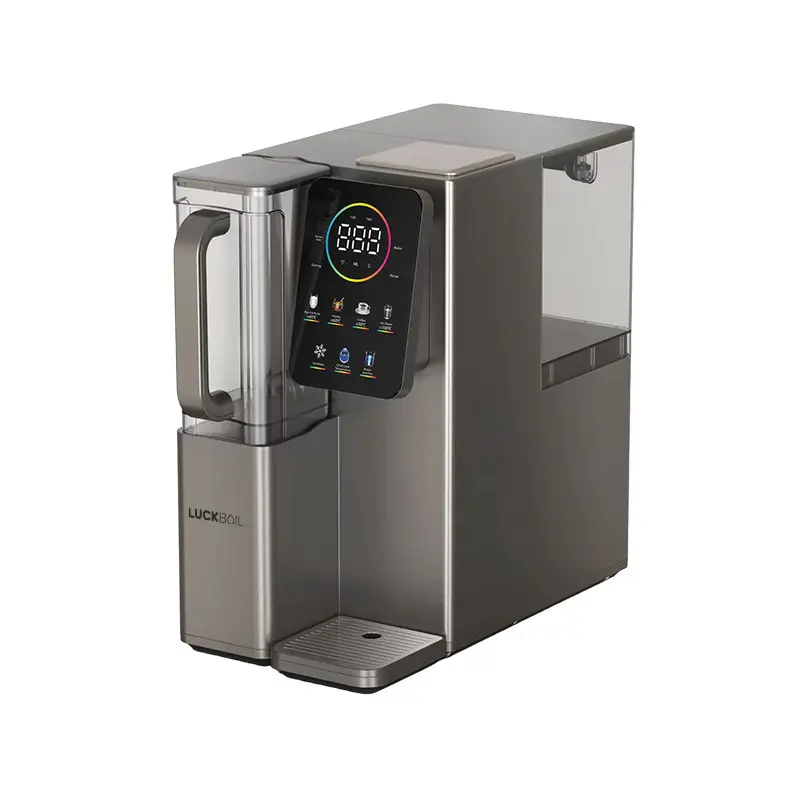
Having access to clean drinking water anywhere shouldn't be complicated. Offices, educational facilities, industrial buildings, and waiting rooms all congregate lots of people together for hours on end. Drinking water keeps everyone happier and healthier, so setting up a water dispenser can help employees, students, guests, or customers relax and refocus. Ūdens dozatori are not just affordable, but the right model can fit seamlessly into any facility and encourage visitors to hydrate more often. Here's how to choose a water dispenser that serves your exact needs.
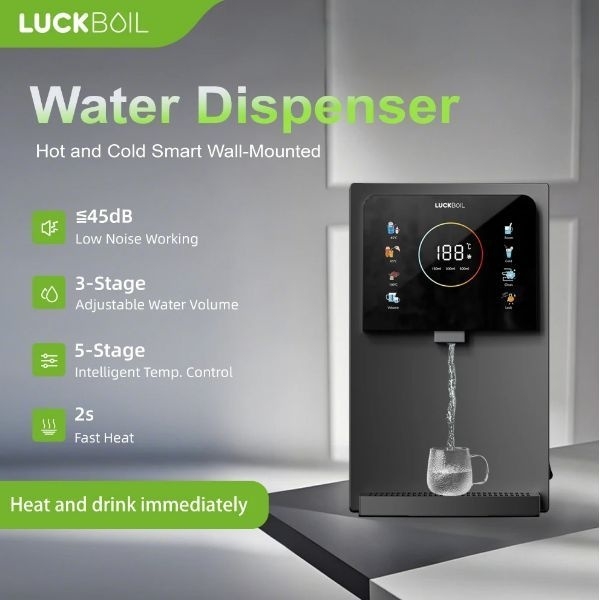
Durability Matters: Floor-standing Water Purifier Dispensers for High-Traffic Areas.
Durability should be your biggest concern when purchasing a water dispenser that will be used heavily throughout the day. Floor-standing ūdens attīrītāji are designed with this common usage scenario in mind. Built to withstand constant use, these floor models feature tougher construction, bigger reservoirs, and sturdier components than smaller versions. The faucets can also usually handle more use from dozens of people filling up cups and water bottles each day. Imagine having a lightweight water dispenser in a busy office setting or public waiting room. It would likely succumb to wear and tear and need repairs or replacement much quicker, resulting in downtime and additional costs. Common features include stainless steel reservoirs, leak-proof tubing, and easy filter changes. Additionally, many floor-standing units have metal or plastic shields around the faucets to protect against impact. So, when installed in areas with a lot of foot traffic, these units generally experience fewer issues and operate for a longer period. Take a look at how many people will use the unit each day. One success story involved upgrading a water cooler in a busy call center. The original model was a countertop unit that bubbled twice in one month. After installing a floor-standing water purifier with a larger water tank, employees experienced less downtime and drank more water throughout the day. If only 20-30 people will use the water dispenser daily, you can get away with purchasing a model meant for lower traffic areas. But what works in a school hallway might not have the capacity to serve hundreds of people streaming through a hospital lobby each day. Just because a water cooler can fit in your desired location doesn't necessarily mean it can handle what you'll throw at it. Plan for both to extend the life of your new floor-standing dispenser.
Vertical Water Dispensers with RO System for Corporate Offices.
Office environments sometimes require more efficient water filtration than is provided by traditional water coolers. In most cases, vertical water dispensers with reverse osmosis (RO) filtration can help. RO filtration will provide clean, great tasting water every time. A unit with reverse osmosis filtration can give employees peace of mind that every bottle or cup of water is going to be clean before they drink it. This peace of mind can lead to employees drinking more water throughout the day. In most offices, these dispensers are designed to be fairly compact, not needing a huge amount of floor space. Most come with three separate taps for hot water, room temperature water, and cold water. As different employees prefer different temperatures when drinking water, having each option available is very convenient. RO filtration systems will need to be refilled with filters every once in a while. Fortunately, most RO systems are designed so that filter changes can be done quickly. If you're worried about how a vertical RO dispenser will play out in real life, don't be. One technology company swapped out three old school bottle-fed water coolers with RO powered, vertical water dispensers. Employees noticed an increase in their water consumption and office managers loved how there were less trips to bring bottled water in and fewer service calls to replace empty bottles. When choosing a vertical dispenser with RO filtration, take into consideration the size of your office and how much water will be consumed daily. A small desktop system that can service anywhere from 20–30 people may be sufficient for small break areas, but if you plan on placing one in a large office floor, you may want to get more than one system or opt for a higher capacity machine. By properly assessing how much you and your employees will use the system, you can keep your employees hydrated with clean water and minimize downtime due to filter changes.
Reducing Plastic Waste in Factories with Industrial Floor-standing Water Boilers.
Industrial facilities and manufacturing plants are ideal locations to replace bottled water with an industrial water boiler, according to facilities managers. It means employees can effortlessly get hot water for their tea, coffee, or even instant noodles, rather than relying on bottled water. An accessible and reliable source of refillable water can help reduce waste and keep workers refreshed. Industrial water boilers and hot water sinks are designed to hold up under heavy usage. From large tanks to powerful heating elements and durable exteriors, these sinks are tough. Plus, many industrial boilers allow you to access both hot and room temperature water. This gives your employees options if they want hot water for coffee or if they need cool water for refrigerating food or filling water balloons. Consider this example: one auto parts factory was throwing away dozens of plastic water bottles every day by providing workers with bottled water coolers. After switching to two industrial boilers, the factory cut its consumption of plastic bottles by several thousand per year. Employees also began filling up their own reusable water bottles more often, instead of using throwaway cups. Decide how many employees will need access to water at one time to determine the size of your industrial boiler. You don't want to run out of hot water during a shift, but you also don't want to purchase a large-capacity unit if you only have ten employees. Also consider the upkeep of your sink. Look for systems that have easily replaceable filters and simple cleaning procedures so you can keep your water source clean and safe. Fewer plastic bottles means less trash, and if there's an easily-accessible source of clean water on hand, hydration is easy.
Touchless Technology in Modern Stand-alone Water Purification Stations.
Touchless water purification stations serve up clean drinking water in homes, offices, medical facilities, college campuses, airports and more. Hands-free hydration stations feature sensors that sense when a cup or bottle is placed under the spout. Water only flows when the sensor is triggered, so there is never any need to touch a faucet. Touch free hydration stations reduce the spread of germs and help keep areas cleaner since people do not have to touch the equipment to use it. This provides peace of mind for employees and guests who frequent high traffic public spaces like hospital waiting rooms and airport terminals. Touchless water stations often incorporate filtration, like activated carbon or reverse osmosis. These filters can reduce the likelihood of contaminants while improving the taste of your water. Some touch free hydration stations even allow you to dispense cold, room temperature and even hot water with the simple push of a bottle or cup. No need to touch buttons or levers. Employees can quickly fill up their own water bottles, and guests can hydrate without having to concern themselves with germs on public surfaces. Classrooms and student common areas at a particular university now feature touch-free water purification. Students said that they felt more inclined to drink water while in communal spaces, and maintenance crews found that less residue was left on faucets after upgrades. Some touch free water station sensors also limit the amount of water that flows out of the faucet. This helps to eliminate waste and prevent spills and overflows.
Foot traffic should be considered when looking into touch free water stations. If a large amount of people will use your station each day, you may want to purchase a larger model. Larger stations can typically accommodate larger filters that can recharge faster and provide water for more people before having to be changed. For smaller businesses with less visitors, a mid-sized station can provide all of your touch free hydration needs. Just be sure to routinely maintain your sensors and change filters as needed. Hydration stations help make drinking water convenient. Install a touch free station today and keep your staff and visitors hydrated without the hassle.
LUCKBOIL's Engineering Cases: Direct Piping Floor-standing Dispensers in Airports.
Airports are naturally chaotic places, filled with a constant stream of travelers. With people flying to their destinations, workers keeping the airport running, and flight crews coming and going, everyone needs access to safe drinking water right when they need it. LUCKBOIL helped install floor-standing water dispensers with direct piping into busy airport terminals. Since these units aren't bottle-fed, they have piping that connects directly to the building's water source. This allows building maintenance to flush through the lines while eliminating the hassle of constant bottle changes. Direct-piping floor-standing water coolers offer less downtime, cheaper maintenance, and ensures your travelers are drinking fresh water. When you have high-traffic areas that your water dispenser will be used non-stop, direct-piping is the best option. Floor-standing models are able to fit large water tanks, high-quality filtration systems, and even have multiple taps for hot or cold water. The floor-standing model allows for heavy usage at a lower height for quick access in crowded areas. The taller model also allows the equipment to be heavy-duty and durable. Touchless sensors can even be added to help decrease contamination in high-traffic areas. LUCKBOIL was able to help several airports with floors-standing models. In one middle-sized international airport, they were able to install several direct-piping water dispensers to replace handfuls of bottle-fed water coolers. Not only were travelers able to access and use the water dispensers quicker and easier, but maintenance had fewer tasks trimming down on their time. Instead of constantly exchanging bottles and cleaning up leaks, they were able to provide a constant stream of water while decreasing the amount of guest complaints during busy hours. Direct-piping floor-standing water coolers can vary based on how much traffic you think you'll receive and the size of the area you need a water dispenser. You can go bigger and install high-capacity models with long-lasting filters by main entrances. However, if you need water coolers for lounges or staff only areas, we have a few smaller models available. No matter the model you choose, direct-piping floor-standing water coolers make it easy to provide durable, convenient, and clean water.
Saturs
- Durability Matters: Floor-standing Water Purifier Dispensers for High-Traffic Areas.
- Vertical Water Dispensers with RO System for Corporate Offices.
- Reducing Plastic Waste in Factories with Industrial Floor-standing Water Boilers.
- Touchless Technology in Modern Stand-alone Water Purification Stations.
- LUCKBOIL's Engineering Cases: Direct Piping Floor-standing Dispensers in Airports.

Nākotnē Luckboil Electrical Appliance turpinās ievērot biznesa filozofiju "tehnoloģiskās inovācijas, kvalitāte pirmajā vietā", apņemoties nodrošināt veselīgākus un ērtākus dzīves risinājumus patērētājiem visā pasaulē un tiekties kļūt par līderi ūdens attīrītāju un ūdens dozatoru jomā.