EN
EN
 CN
CN EN
EN AR
AR BG
BG HR
HR CS
CS DA
DA NL
NL FI
FI FR
FR DE
DE EL
EL HI
HI IT
IT JA
JA KO
KO NO
NO PL
PL PT
PT RO
RO RU
RU ES
ES SV
SV IW
IW ID
ID LV
LV LT
LT SR
SR SK
SK SL
SL UK
UK VI
VI ET
ET HU
HU TH
TH TR
TR FA
FA MS
MS BE
BE HY
HY AZ
AZ EU
EU KA
KA MN
MN MY
MY KK
KK TG
TG

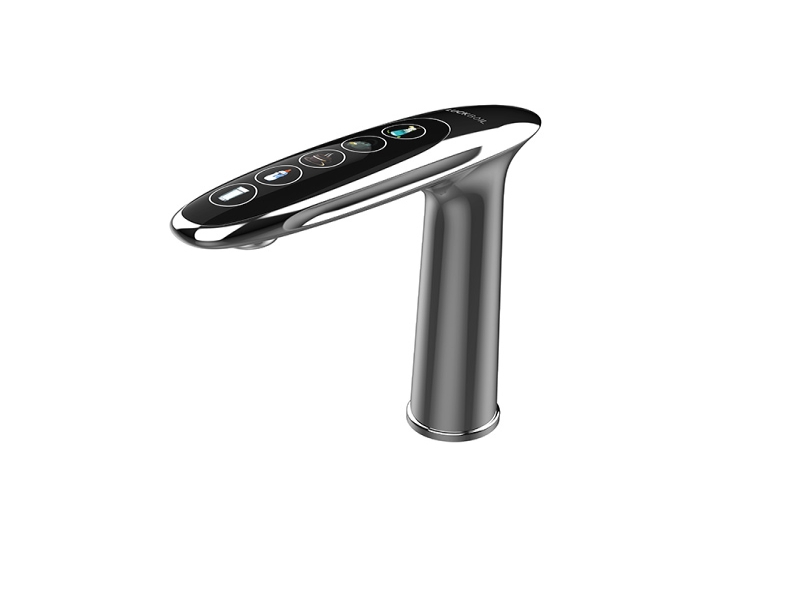
Many individuals still struggle between boiling water, buying bottled water or just waiting for their refrigerator to cool the water for their kitchens. This seems to be a minor inconvenience for the preparation of meals for their families, or even making themselves a quick cup of tea. One wise Instant Hot/Cold Faucet that can offer bubbly, cool and hot water all from the same system wants to make that easier for everyone and features a RO composite filter that tackles the issues of water quality, as well. The decision doesn't need to be thought about – it is a one tap solution under the sink that will solve the majority of your water problems, not taking up another appliance to save space or time.
Why traditional water purifiers fall short in modern kitchens?
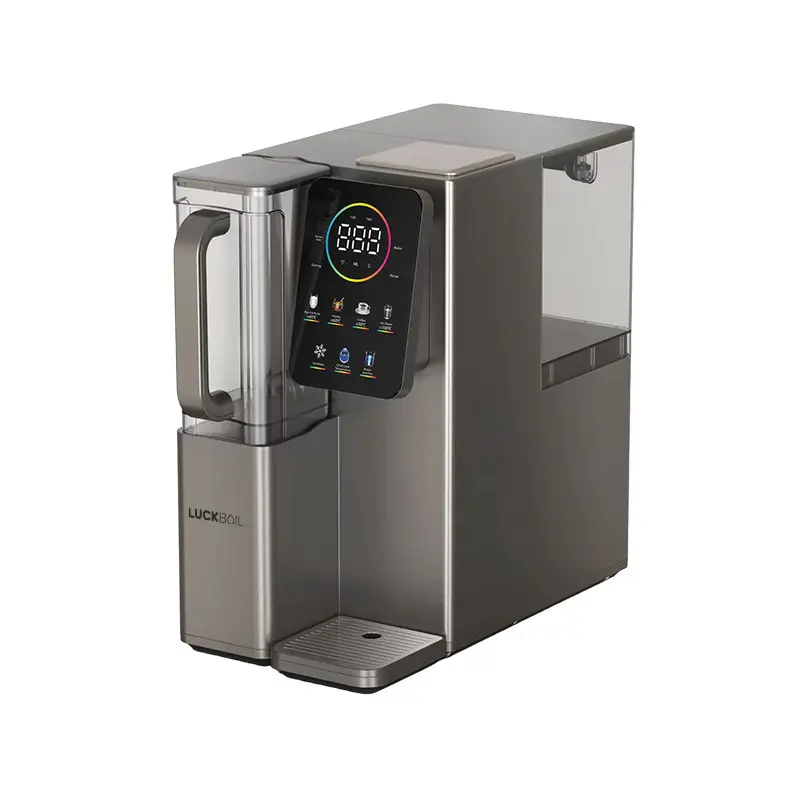
Almost every one of the homes uses the traditional water purifiers, though they are still performing well, it doesn't seem to belong in the new, ultra-modern kitchen settings. Almost all Countertop Combo systems only produce room temperature drinking water. One still needs to boil water, or keep bottles of water in the fridge if he wants to have hot water, or cold water, if one uses the water for a cup of coffee and water for drinks. Thus the basic everyday life is more difficult.Space has been an increasing issue too. In no time the kitchen could become a jumbled place with a countertop water purifier, a kettle and a personal dispenser. If one has a small kitchen and does cooking or cleaning it can be troublesome, with more cords and bottles, more items to clean around.One thing that people often find themselves stuck on is maintenance. Long ago it was simple to forget to change the filter in the system; most systems follow a schedule. Slowly the water is tasted differently, and the quality of water is reduced without obvious results. Some families have even turned to bottled water as an extra, with the plastic waste increasing and continuing cost over time.Another issue is speed and convenience. Suppose you have just got home from the office and you are in dire need of a cold glass of sparkling water. One can not have it on demand with a standard purifier. One has either to wait, or prepare beforehand, or find something else to have. Such small delays are then normalized, though they are not ideal.The need for greater efficiency within the kitchen, since it is such a busy place, and less steps, is translated as reduced waiting time. Normally a heating, cooling, and filtering process requires a separate item for each process; these may be logical in an older style kitchen, but not today with the rushing society, where convenience are most important in delivery, drinks and space.
How the RO composite filter delivers drinkable water directly from the tap?
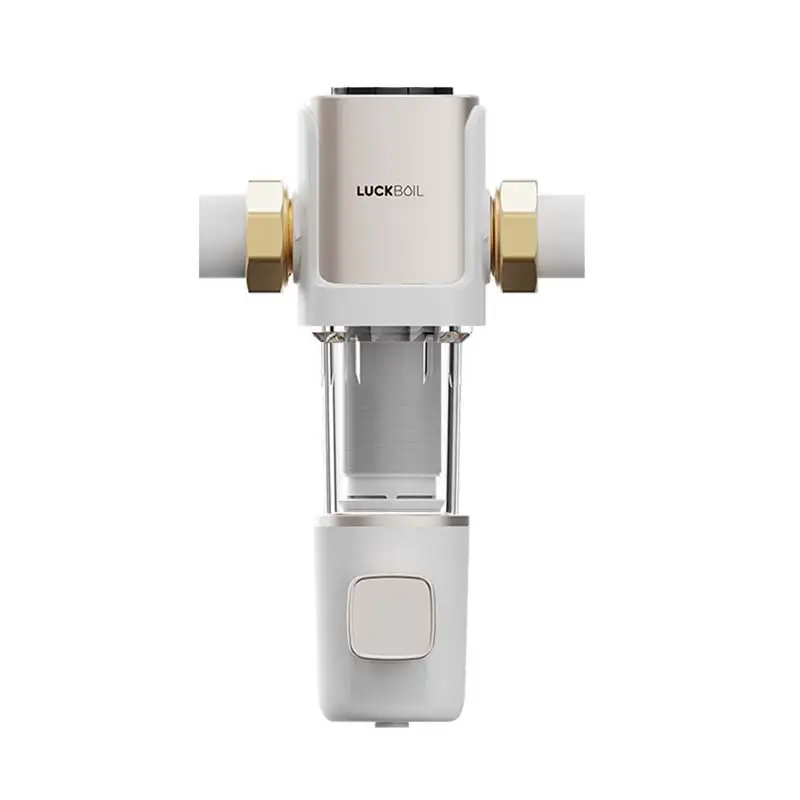
The RO composite filter is the central part of a smart faucet setup. The aim is that this should be capable of purifying tap water, to such an extent that when the water is drawn, it will be of a suitable quality for drinking.RO is the reverse osmosis, which is similar to the process of forcing water through a very fine membrane. This membrane filters small particles (that you can't see), such as sediment, chlorine taste, and other unwanted substances, away. In addition, a composite filter stage is typically a combination of multiple stages, and the water passes through multiple stages of filtration before it gets to your glass.When you look at it simply, the flow of water is through a number of “gates.” The first part is used for trapping larger dust and corrosion particles. The second layer is designed to minimise chemicals which impact the taste and smell. Much smaller impurities are then filtered out by the RO membrane. On its way to the tap, the water has passed a number of tests in a continuous stream.The advantage in daily life is the directness of this setup. You open up the tap and the water is instantly clean. No pitching in the fridge, no boiling kettle and no additional pitching bottles on the counter. This little change could save a lot of time for a busy morning.For instance a family preparing breakfast. One person is boiling water for a coffee, one is filling in his lunch box and one wants to quickly drink a cup of water before leaving the house. Everybody has access to the same tap and drinking water on place without needing a new device.The first advantage is that of uniformity. Since filtration happens on board, if the filters are properly serviced, the water quality is always the same whenever the system is used. This also means that you do not have to switch between different water qualities for different purposes such as preparation of formula milk.
3-in-1 sparkling, cold, and hot water – real‑world speed and temperature stability
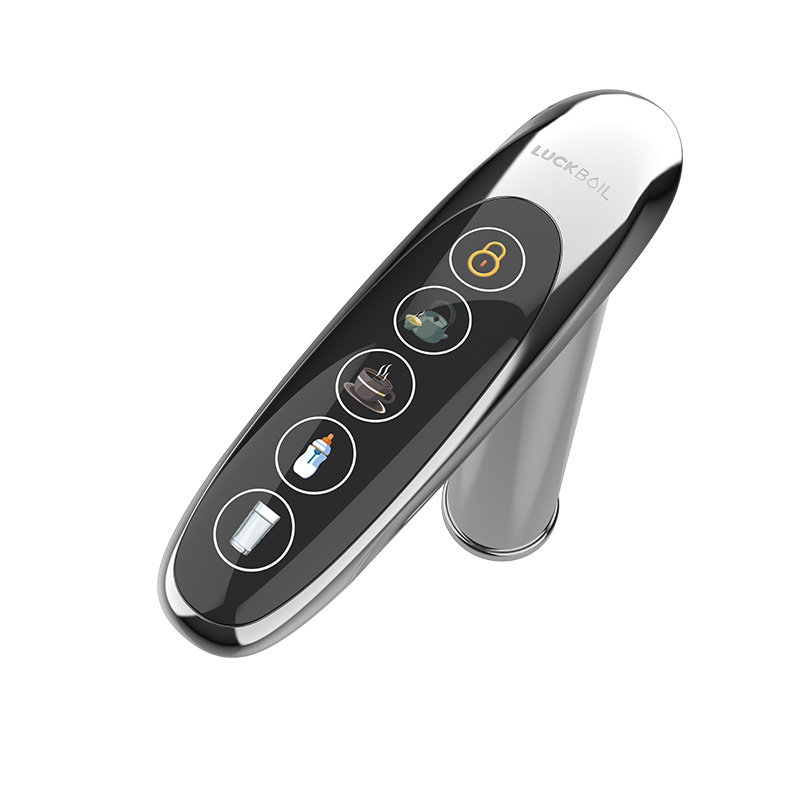
A 3-in-1 faucet providing filtered cold, hot and sparkling water will provide a substantial difference to your everyday use of the kitchen. It will consolidate the different needs at one single fixture so rather than managing different appliances and supplies there will be what you require already provided for you at a touch. The main improvements are primarily centered on temperature consistent access, speed.For hot water the faucet will either heat the water at the source or heat and maintain a controlled temperature warmed tank of water. This means no more waiting for a kettle to boil before you are able to make tea, instant coffee or even breakfast, such as a bowl of porridge. The quick few minutes saved when time is of a premium in the morning do actually add up.The system takes the cold water element the same route. Here a chilled water supply is maintained at an ambient set point so once a cool, refreshing drink is wanted, it can be delivered from the tap and there is no more need to fill and chill bottles in the fridge, which is extremely handy during the summer.Sparkling water is an 'extra' convenience which the faucet could essentially replace a bottle of sparkling water from the shop by forcing the cooled water with CO2 at the tap and delivering the fizz at point of need. It will be convenient for creating drink recipes, a lighter food base by using a carbonated water batter or even just making other food preparations slightly fizzy.A smart faucet will also deliver temperature consistent hot and cold water which traditional water systems fail to do as the hot water at the tap will either be to hot for direct use after a kettle boil and chilled water will warm quickly once outside of the fridge. The temperature is at a reliable set point and each time the same result will be delivered to allow you to create your food and drink simply.Functionally it will just make things work better day to day. Coming home and getting a glass of cold sparkling water without having to do anything other than take a glass, getting a quick cup of hot water whilst you throw breakfast together or even being able to give guests a chilled glass of water without having to open the fridge door. These small steps will all happen slightly faster and be more integrated in the overall flow of the kitchen because they are all happening at one particular fixture.
Is hydrogen‑rich water a gimmick or truly beneficial? A science breakdown?
Another one that has seen a surge in popularity in the health industry is hydrogen-rich water. This is basically water infused with hydrogen gas and sold under the premise that this extra hydrogen can function as an antioxidant in the body. That sounds great but again, science hasn't quite caught up yet.A few very small studies do show that hydrogen-rich water might improve oxidative stress symptoms. Oxidative stress is damage caused to cells over time and this phenomenon is often linked with aging, fatigue and exercise recovery. For example, some athletes have reported that since consuming it on a daily basis, they experience a reduction in post-exercise muscle soreness. Early research is also beginning into potential benefits it could have in relation to inflammation and energy levels.For the meantime however, the studies are minimal. There are several with short testing times or small numbers of participants. It's tricky to conclude if the positive effects were a result of the hydrogen or rather a change in lifestyle that was brought about, such as improved water consumption. Though the researchers of some studies do argue this point stating that hydrogen gas is quickly excreted from the body which raises issues on how long it actually stays active.Drinking regular bottled water vs hydrogen-rich water is often something that people claim to observe, whereby their symptoms seem to disappear once switching over to hydrogen-rich water. However, this change could just be due to increasing overall fluid intake, making healthy decisions, or avoiding sugary drinks etc., so it's not always the cause and effect we think it is.There is also the element of cost/effectiveness to consider. Costs associated with hydrogen-rich water systems or bottles can be much higher than traditional water filters. Plain drinking water, in its basic form, does most of the work for us in simply keeping us hydrated on a daily basis and requires no additional digestion, work for our temperature or basic bodily functions.
Installation requirements and maintenance costs – is it suitable for an average home?
A smart faucet system with RO filtration for an average home is typically feasible, and also has a handful of clear setup needs and costs. The positive side is that this isn't as difficult as you would think, particularly for under sink.Most systems have a design size of fit in a kitchen cabinet. You will require room underneath the sink and tubing for water flow, in some cases, a small water storage tank as well. A second faucet hole is usually needed either in the sink or countertop, so that some drilling will likely be involved in the setup. The system must be connected to a cold-water line, and should also have a small drain line for wastewater. In most cases, a relatively simple home plumbing system will suffice, and no extensive home remodeling is required.Installation is either professionally or if you're a DIY man, you can do it yourself with some basic tools. It gives the homeowners peace of mind and they feel better when a plumber is involved in the job, particularly when it comes to sealing and fixing fittings with water lines. Typical installations, based on the setups, is typically a one time installation and can be done within a few hours.When it comes to maintenance costs, that is when planning comes into play. RO filters don't last forever. The pre-filters may need to be changed every 6-12 months, and the main RO membrane can last anywhere from 2 to 3 years based on water quality and usage. The cost of the filters over a year is typically moderate and not a big item on the budget. If you consider it a daily use system this is a good choice for most homes. Substitutes for bottled water, kettles and separate water cooling or heating equipment. This translates to reduced clutter and lesser repeat purchases over the years. Just one point to keep in mind: If you have a bit of cabinet space and aren't daunted by having to replace filters frequently.Families in real homes generally use it most conveniently in the kitchen where drinking water, meals and ready-to-sip beverages are all in the same space. It is best used as a long term installation, as the true value becomes evident in the convenience and in a steady water quality.
Table of Contents
- Why traditional water purifiers fall short in modern kitchens?
- How the RO composite filter delivers drinkable water directly from the tap?
- 3-in-1 sparkling, cold, and hot water – real‑world speed and temperature stability
- Is hydrogen‑rich water a gimmick or truly beneficial? A science breakdown?
- Installation requirements and maintenance costs – is it suitable for an average home?

In the future, Luckboil Electrical Appliance will continue to uphold the business philosophy of "technological innovation, quality first", committed to providing healthier and more convenient living solutions for global consumers, and strive to become a leader in the water purifier & water dispenser fields.