EN
EN
 CN
CN EN
EN AR
AR BG
BG HR
HR CS
CS DA
DA NL
NL FI
FI FR
FR DE
DE EL
EL HI
HI IT
IT JA
JA KO
KO NO
NO PL
PL PT
PT RO
RO RU
RU ES
ES SV
SV IW
IW ID
ID LV
LV LT
LT SR
SR SK
SK SL
SL UK
UK VI
VI ET
ET HU
HU TH
TH TR
TR FA
FA MS
MS BE
BE HY
HY AZ
AZ EU
EU KA
KA MN
MN MY
MY KK
KK TG
TG

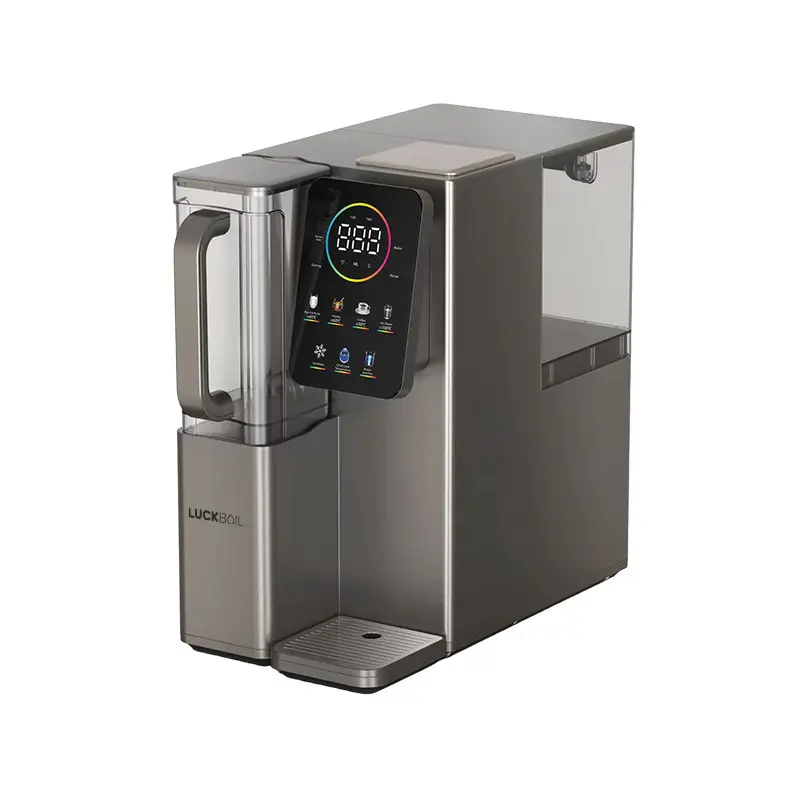
More people are starting to care about what water they drink at home. It's not just about staying hydrated anymore. It's about flavor, freshness and luxury. Current high-end water dispensers do more than simply dispense flat water. Some are dispensing hydrogen-rich water which most favor as it tastes cooler, especially after a long day at work. The remaining Water Dispensers provide tap brewed carbonated water. This gives you that coffee shop vibe. There's also RO purified water that tastes clean and mild. These appliances are slowly shifting the household perspective on drinking water every day in simple ways.
The antioxidant debate around hydrogen‑rich water and existing clinical evidence
The hydrogen antioxidant theory is simple to grasp, yet there is continued debate about the underlying mechanisms. Hydrogen gas has also been theorized to be a selective antioxidant, which targets the reactive free radicals like hydroxyl radicals while not disturbing other useful processes in the body. Preclinical studies support this theory and there have been a few human trials which have shown changes to markers of oxidative stress including increases in antioxidant enzymes and decreases in lipid peroxidation. There have even been studies that reported altered levels of cholesterol and oxidative stresses after short term consumption. However, there are less robust, larger clinical trials that have not been able to confirm these results. Some reviews have found changes to be minimal or equivocal at best and it is hard to draw any concrete finish. For this reason, ingestion of hydrogen water is still thought to be an emerging area of study rather than an established antioxidant therapy.
Sparkling water – a sugar‑free soda alternative for weight‑conscious users
Sparkling water offers simplicity for those who crave soda without sugar. Carbonated water is water combined with carbon dioxide, which creates those tiny bubbles and bite on your tongue. Many users trying to cut back on sodas will employ this simple trick to wean themselves off soft drinks without feeling cheated. For example, if you're trying to cut down on Cola while at work. Instead of reaching for a sugary beverage from the refrigerator you fill up on ice-cold sparkling water at your desk. The bubbles give you the same satisfying crunch, especially when it's loaded up on ice or squeezed with lemon. After a while you will have lowered your daily sugar consumption without going cold turkey. The biggest factor in replacing drinks with sparkling water is taste. Some individuals think water is bland, even when it's ninety degrees outside. Sparkling water is just as refreshing, but contains no calories. Some people even feel fuller from drinking it and are less likely to snack right after eating. Using home carbonation systems makes getting your sparkling water even quicker. Instead of buying bottled water, people using a carbonation system can carbonate drinks at any time. No more storage of bottles or wasted plastic! It's a small change to your lifestyle and usually becomes a part of everyday life for most families.
How RO filters remove heavy metals, antibiotics, and microplastics?
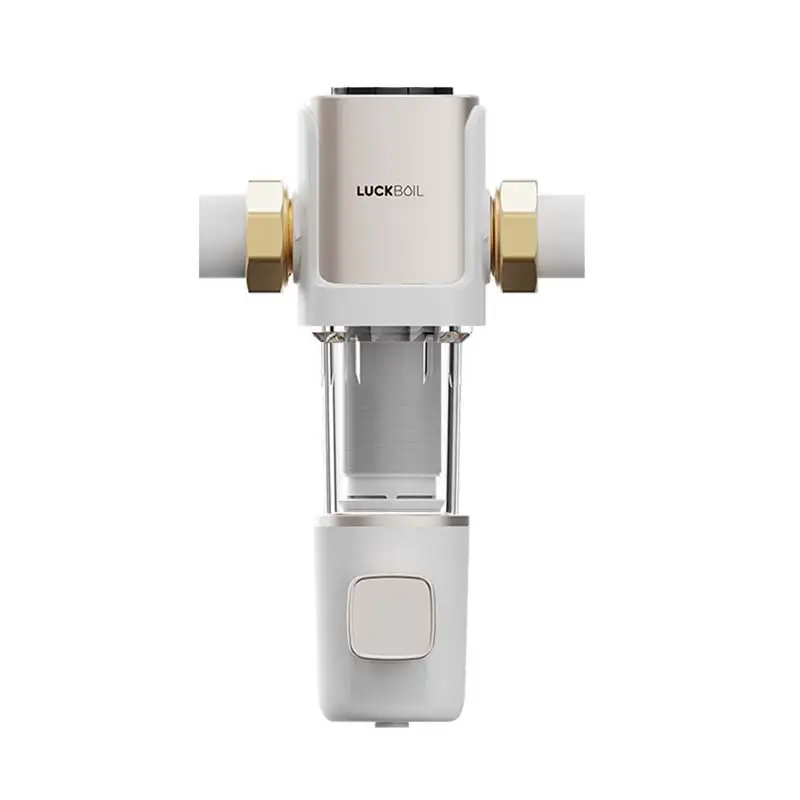
RO filters work by pushing water with pressure through an extremely thin membrane. Water can pass freely through while it restricts most of the particles you don't want. Basically, it forces water through a very small wall while the rest of the contaminants are either too large to pass or have some chemical property that prevents them from passing easily. Heavy metals like lead, mercury and arsenic are some of the biggest concerns when it comes to drinking water. RO can help reduce these contaminants because the particles are either too large or they're often charged and cannot pass through the membrane without resistance. They won't end up in your glass after drinking water encounters an RO filter. Instead they get trapped on the other side of the membrane and get flushed away with the wastewater. If you're concerned about antibiotics getting into your water supply, there are a couple of main ways they can enter. Medical waste and farm runoff are prime examples. Antibiotics can vary in molecule size, and many are still too large to pass through RO. Just as chemicals can run through the water we drink but be reduced by other types of filters. So while RO can't guarantee 100% elimination of all pharmaceuticals from your drinking water, it can reduce them significantly when paired with good pre-filtration. Filter that can trap remnants before they reach your RO layer. Carbon filters are great for this job and can help absorb chemical leftovers. Microplastics are a relatively newer concern. These can come from any type of plastic, such as a plastic bottle, polyester clothing fibers, or plastic breaking down in the ocean. Most RO membranes have a pore size small enough to filter out the majority of microplastics. Especially the larger bits. As with antibiotics, any nano sized plastics will require additional filtering stages for better reduction. Think of RO like a very picky bouncer at a club. Water gets through, but the bulk of bigger or unwanted contaminants is blocked by the membrane and washed out. The first thing you might notice in your day to day life is the taste. RO water just tastes purer and more crisp. This is especially noticeable if your tap water smells strong or has a metallic taste.
The convenience of instant cold & hot water – fewer appliances on your counter
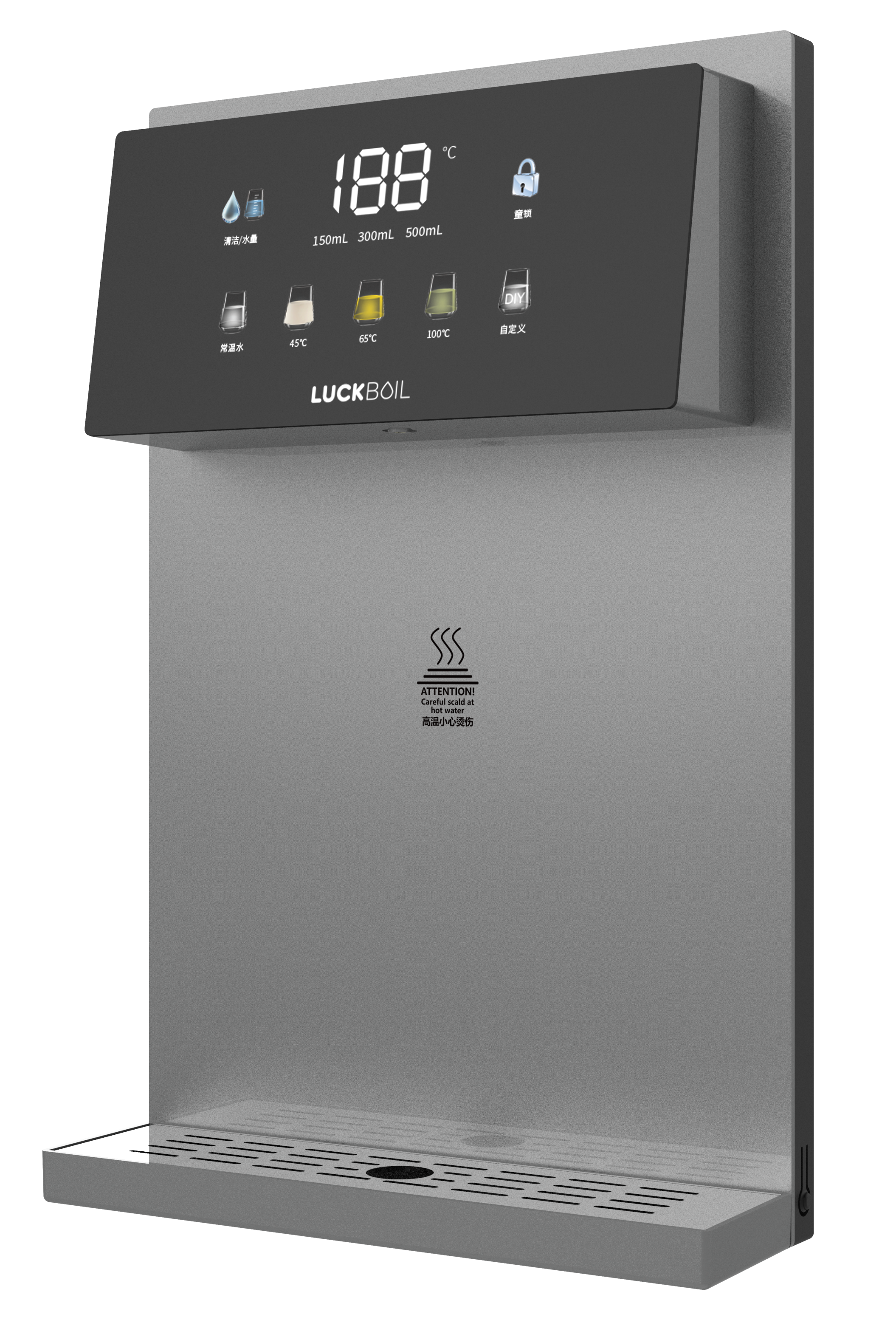
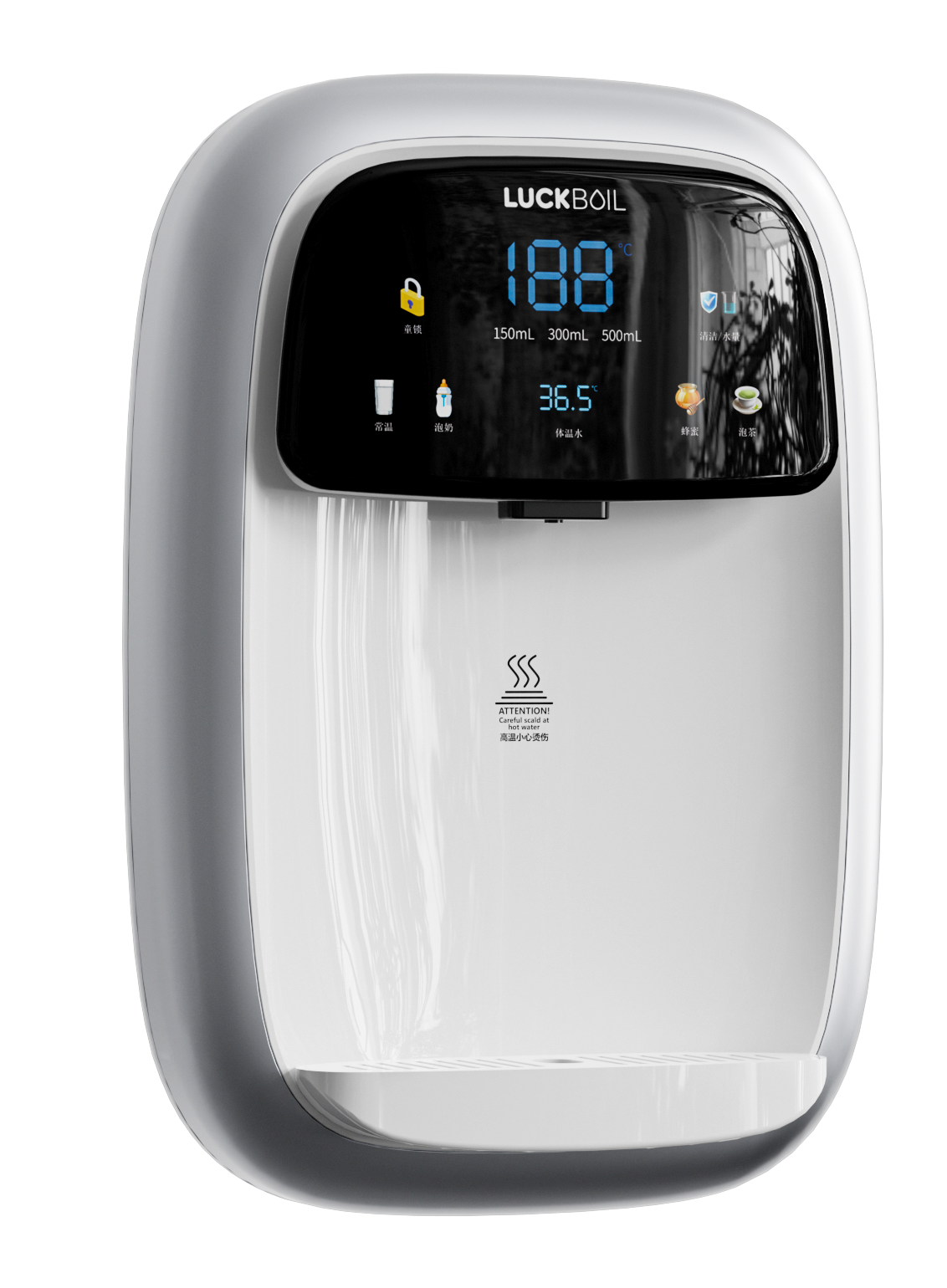
Having instant hot and cold water readily available makes life at home feel entirely transformed. There's no waiting for a kettle to boil or for refrigerated water to acquire some cold bottles in the fridge. You can get whatever temperature you need right then and there. Everyday tasks become easier, especially if you find yourself needing a quick sip in the morning rush or late night when all you want to do is make something fast. Take making coffee before work for example. You would boil water, wait a few minutes for it to cool, and then pour. That waiting is eliminated with an instant hot water dispenser. You can make your coffee knowing that the water will be hot enough to brew with. Meaning you can focus more time on your coffee and less time waiting for it to be ready. The same goes for tea, instant noodle preparations or even baby formulas that require specific temperatures. The same goes for cold water. You don't want to open up the fridge during a hot summer day and hope that your water is cold. Just press a button and instantly you have cold water. Families will find themselves buying less bottled drinks and replacing them with more food in the fridge. Another benefit you may not think of is extra counter space. Counter space is a warzone in every kitchen. Between electric kettles, water pitchers, thermoses, and water filters, they all take up precious real estate. By consolidating all these features into one appliance you free up space and make your kitchen look neater without adding more appliances. Before you know it you won't even think about heating or cooling water you'll just use it when you need it. It becomes a habit and second nature. You'll find those little things make life feel a little less stressful.
From simple filtration to multi‑function terminals – the integration trend in kitchen appliances
Kitchen appliances are becoming more multipurpose than ever. It's no longer just a water filter here, water boiler there, water chiller over there. People don't want to crowd their kitchens with multiple appliances that all do something different. Instead, homeowners are moving toward installing all-in-one water stations that merge a lot of these functions into one convenient space. You might have had a jug filter on your counter, a kettle on your stove to boil water, and bottles shoved in your refrigerator a few years back. While they each work well as their own solution, they can be redundant and require extra work. Fill it up, let it sit, clean it out, repeat; that's your cycle. Getting a built-in changes all that. One faucet can fill your pitcher with RO filtered water to fill your drinking glasses with, and then you can flip a switch to get started on boiling water for coffee or cold water for regular drinking. You might even be able to mix in some sparkling water or hydrogen water, depending on the style you choose. Before you know it, you've equipped your kitchen by your sink with a hydration station instead of your basic water faucet. Check out my girlfriend's kitchen. She lives in a smaller apartment where countertop space is limited. I'm not going to pretend like she has enough room for a kettle, water purifier, and separate water chiller. But what she did was replace all of those devices with one built-in to handle all those jobs without taking up space on her counters. Maintenance even becomes less of a headache when you only have one appliance to think about. You won't stress about which device needs to be worked on and when because there is typically only one filter to replace and one maintenance plan you have to follow. Everything just becomes more simplistic and easier to remember.
Table of Contents
- The antioxidant debate around hydrogen‑rich water and existing clinical evidence
- Sparkling water – a sugar‑free soda alternative for weight‑conscious users
- How RO filters remove heavy metals, antibiotics, and microplastics?
- The convenience of instant cold & hot water – fewer appliances on your counter
- From simple filtration to multi‑function terminals – the integration trend in kitchen appliances

In the future, Luckboil Electrical Appliance will continue to uphold the business philosophy of "technological innovation, quality first", committed to providing healthier and more convenient living solutions for global consumers, and strive to become a leader in the water purifier & water dispenser fields.